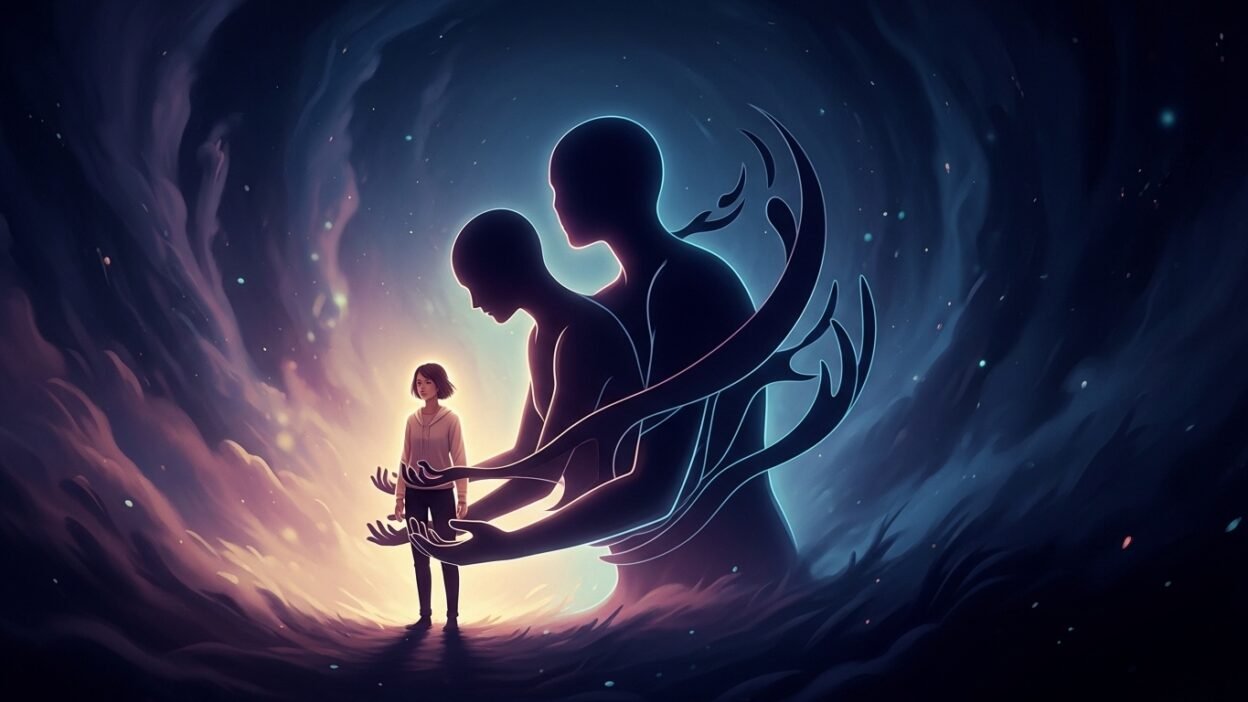
Shadow self symbolism explores the hidden, unconscious parts of human personality that people often ignore or suppress. These aspects may include fears, insecurities, desires, or traits society discourages. Understanding shadow self symbolism helps people recognize that personal growth often begins by facing the parts of ourselves we usually avoid.
Instead of representing pure darkness or negativity, the shadow self symbolizes self-awareness, emotional healing, transformation, and inner balance. When acknowledged and integrated, the shadow becomes a powerful guide toward authenticity and personal development.
Shadow Self Symbolism Meaning (Clear Definition)
Shadow self symbolism refers to the symbolic representation of the hidden or unconscious aspects of a person’s personality. These include thoughts, feelings, and traits that individuals may suppress because they conflict with their conscious identity.
The concept originates from psychological theories that suggest everyone has a “shadow” side — a part of the psyche containing repressed emotions, instincts, and memories.
In symbolism, the shadow self often represents:
- Hidden emotions
- Repressed desires
- Inner conflicts
- Personal transformation
- The path toward self-acceptance
Facing the shadow self is not about eliminating darkness, but integrating it into a balanced identity.
What Does Shadow Self Symbolism Represent?
Shadow self symbolism represents the deeper psychological layers of human identity. It highlights the idea that people are not purely good or purely bad; instead, they contain a mix of conscious and unconscious traits.
Common symbolic meanings include:
- Self-discovery – uncovering hidden aspects of identity
- Inner conflict – tension between conscious values and hidden impulses
- Personal growth – learning from mistakes and weaknesses
- Transformation – evolving through self-awareness
- Authenticity – accepting the full spectrum of human nature
Summary of Key Symbolic Meanings
| Symbolic Aspect | Meaning |
| Hidden Identity | Parts of personality kept unconscious |
| Emotional Healing | Processing suppressed feelings |
| Personal Transformation | Growth through self-awareness |
| Inner Conflict | Struggle between light and dark traits |
| Authentic Self | Accepting the whole personality |
Spiritual Meaning of Shadow Self Symbolism
Spiritually, shadow self symbolism represents the journey toward wholeness. Many spiritual traditions teach that enlightenment requires acknowledging both light and darkness within oneself.
The shadow can symbolize:
- Inner spiritual challenges
- Unhealed emotional wounds
- Lessons needed for personal evolution
- The balance between ego and soul
By confronting the shadow self, individuals often gain greater compassion, wisdom, and emotional maturity. Rather than denying darker emotions, spiritual growth involves learning from them.
In this way, shadow self symbolism becomes a metaphor for awakening and self-realization.
Biblical / Religious Meaning of Shadow Self Symbolism
While the exact term “shadow self” does not appear in religious texts, similar ideas exist in many traditions.
In biblical teachings, the concept often relates to human struggle with temptation, sin, and inner moral conflict. It reflects the idea that people must recognize their weaknesses in order to seek spiritual guidance and transformation.
Religious symbolism connected to the shadow includes:
- The struggle between light and darkness
- The need for repentance and self-reflection
- The pursuit of moral purification
In many interpretations, acknowledging one’s inner flaws is the first step toward spiritual redemption and renewal.
Shadow Self Symbolism in History and Culture
Throughout history, cultures have symbolized the shadow self through myths, folklore, and philosophical teachings.
Many traditions recognized that human nature contains both constructive and destructive impulses.
Examples include:
- Duality myths describing light and dark forces within humanity
- Ancient storytelling about heroes confronting inner demons
- Philosophical teachings about balancing opposing forces
In many cultures, shadows symbolized hidden truth, mystery, and self-confrontation.
These stories often teach that true strength comes from understanding one’s inner darkness rather than denying it.
Shadow Self Symbolism in Literature and Art
Literature and art frequently use shadow self symbolism to explore identity, morality, and psychological conflict.
Writers and artists often portray characters who struggle with hidden aspects of their personalities. These shadows may appear as:
- Dark alter egos
- Hidden motives
- Internal battles between morality and desire
- Symbolic doubles or reflections
Such creative works reveal how confronting one’s shadow can lead to character development, redemption, or tragedy.
Artists also use shadow imagery to represent mystery, depth, and the complexity of the human psyche.
Dream Meaning of Shadow Self Symbolism
Dreams frequently use shadow figures or dark versions of the self to symbolize unconscious thoughts and unresolved emotions.
Seeing a shadow version of yourself in a dream may suggest:
- Suppressed feelings needing attention
- Personal fears or insecurities
- Hidden talents or potential
- A need for self-reflection
Dream symbolism often encourages the dreamer to explore emotions they may avoid in waking life.
Rather than something frightening, the shadow in dreams can act as a guide toward emotional understanding and personal growth.
Modern Meaning of Shadow Self Symbolism
In modern psychology and self-development, shadow self symbolism is closely connected to self-awareness and emotional intelligence.
Today, the concept is widely used in:
- Personal growth practices
- Psychological therapy
- Spiritual self-reflection
- Mindfulness and journaling
Modern interpretations emphasize that embracing the shadow self allows individuals to:
- Break negative patterns
- Improve relationships
- Increase emotional resilience
- Develop authenticity
Ultimately, shadow self symbolism reminds us that true personal strength comes from accepting every part of who we are.
FAQs About Shadow Self Symbolism
What is shadow self symbolism?
Shadow self symbolism represents the hidden or unconscious parts of personality, including suppressed emotions, fears, and desires.
Is the shadow self negative?
Not necessarily. The shadow self contains both negative and positive traits that remain unrecognized or suppressed.
Why is shadow self symbolism important?
It encourages self-awareness, emotional healing, and personal growth by helping people acknowledge their hidden traits.
What does seeing a shadow self in dreams mean?
It usually symbolizes unresolved emotions, hidden fears, or aspects of identity that need attention.
How can someone integrate their shadow self?
Self-reflection, mindfulness, therapy, and honest emotional exploration can help people understand and integrate their shadow self.
Conclusion
Shadow self symbolism reveals an important truth about human nature: growth comes from acknowledging both light and darkness within ourselves. By facing hidden emotions, fears, and desires, individuals gain deeper self-understanding and emotional balance. Instead of something to fear, the shadow becomes a powerful symbol of self-discovery, transformation, and authentic living.