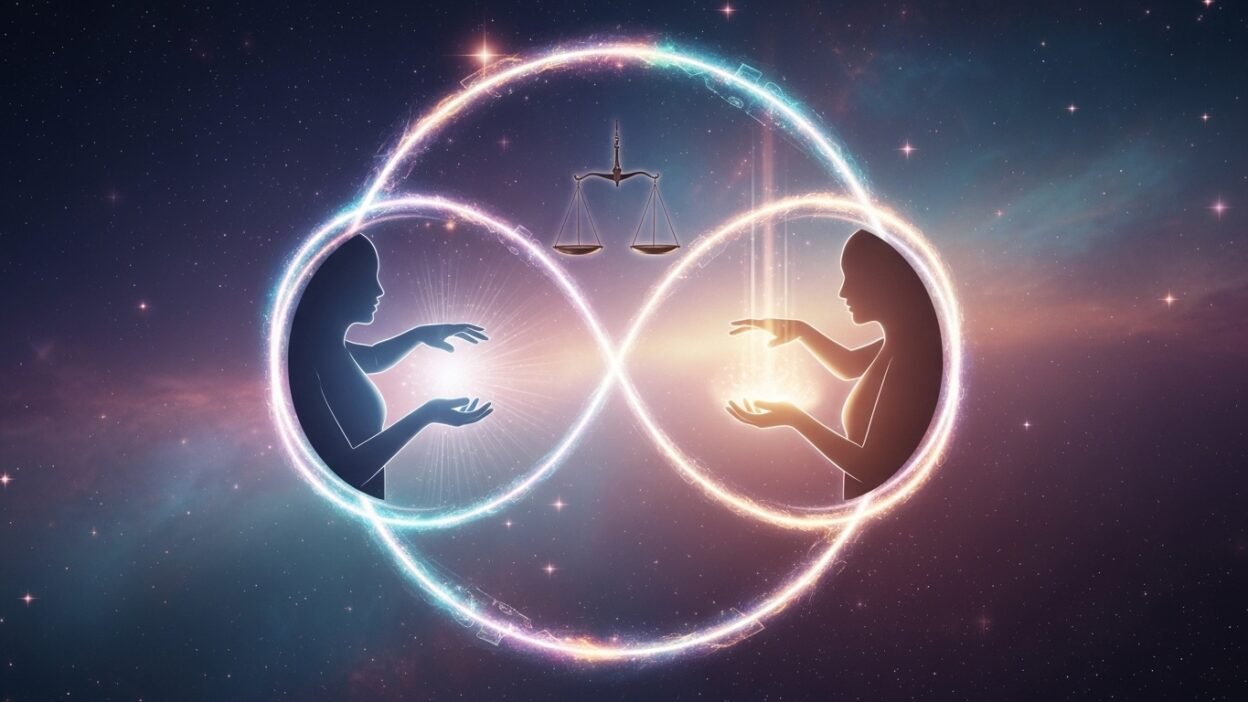
Karma symbolism is one of the most powerful ideas found in spiritual traditions and everyday thinking. At its core, it reflects the universal principle that every action creates a reaction. Whether you view it through philosophy, religion, or personal growth, karma symbolism offers a meaningful way to understand cause and effect in life, shaping how we think, act, and grow.
Karma Symbolism Meaning (Clear Definition)
Karma symbolism represents the idea that actions—good or bad—bring corresponding consequences. It symbolizes balance, justice, and the invisible connection between choices and outcomes.
In simple terms, it means:
- What you give is what you receive
- Energy returns in similar form
- Actions shape destiny over time
This concept is closely tied to ideas like cause and effect, moral accountability, and universal balance.
What Does Karma Symbolism Represent?
Karma symbolism carries several layered meanings that reflect both inner and outer life experiences.
Key Representations:
- Cause and Effect – Every action has a result
- Moral Responsibility – You are accountable for your choices
- Balance and Justice – Life seeks equilibrium
- Cycles of Life – Actions may return over time
- Personal Growth – Lessons come through experiences
Summary Table
| Symbolic Aspect | Meaning |
| Cause and Effect | Actions create outcomes |
| Balance | Harmony between good and bad |
| Accountability | Responsibility for decisions |
| Spiritual Growth | Learning through consequences |
| Universal Law | Natural order governing life |
Spiritual Meaning of Karma Symbolism
Spiritually, karma symbolism is deeply connected to the idea of the soul’s journey. It suggests that every action contributes to spiritual evolution.
It often reflects:
- Energy exchange between individuals
- Life lessons meant for growth
- Inner transformation through awareness
Many spiritual paths teach that karma isn’t punishment—it’s guidance. It helps individuals become more conscious, compassionate, and aligned with higher values.
Biblical / Religious Meaning of Karma Symbolism
Although the term itself is not directly used in the Bible, karma symbolism closely relates to teachings found in many religions.
For example:
- In Christianity: “You reap what you sow” reflects a similar idea
- In Hinduism and Buddhism: Karma is a central belief guiding actions and rebirth
- In Islam: Actions are recorded and judged, emphasizing accountability
Across traditions, the shared message is clear—actions matter, and consequences follow.
Karma Symbolism in History and Culture
Historically, karma symbolism has shaped philosophies and societies for centuries.
- In ancient India, it became a foundational concept in spiritual teachings
- Eastern cultures embraced it as a moral compass
- Western societies later adopted it as a concept of justice and fairness
Today, it continues to influence ethics, decision-making, and personal beliefs worldwide.
Karma Symbolism in Literature and Art
Writers and artists have long explored karma symbolism to express deeper truths about human nature.
In literature:
- Characters often face consequences for their actions
- Stories highlight justice, fate, and moral lessons
In art:
- Circular patterns symbolize cycles and return
- Light and dark contrasts represent balance
This symbolism helps audiences reflect on their own actions and choices.
Dream Meaning of Karma Symbolism
When karma symbolism appears in dreams, it often points to reflection and awareness.
Common interpretations include:
- Facing consequences of past actions
- Seeking balance in life
- Inner guilt or resolution
These dreams can serve as reminders to align actions with values and intentions.
Modern Meaning of Karma Symbolism
In modern life, karma symbolism has become a popular way to describe fairness and justice.
People often use it to mean:
- “What goes around comes around”
- Positive actions bring positive outcomes
- Negative behavior eventually returns
While sometimes used casually, its deeper meaning still encourages mindfulness and ethical living.
FAQs
What is karma symbolism in simple terms?
It means that every action creates a consequence, reflecting the principle of cause and effect in life.
Is karma symbolism always about punishment?
No, it is about balance and learning, not punishment. It guides growth and awareness.
Does karma symbolism apply instantly?
Not always. Effects may appear immediately or unfold over time.
Can karma symbolism be positive?
Yes, good actions can bring positive outcomes and experiences.
Is karma symbolism a religious concept?
It originates from religion but is now widely understood as a universal life principle.
Conclusion
Karma symbolism reminds us that our actions shape our reality. It encourages responsibility, awareness, and growth, offering a powerful lens to understand life’s patterns. By aligning intentions with positive actions, we create a more balanced and meaningful journey.