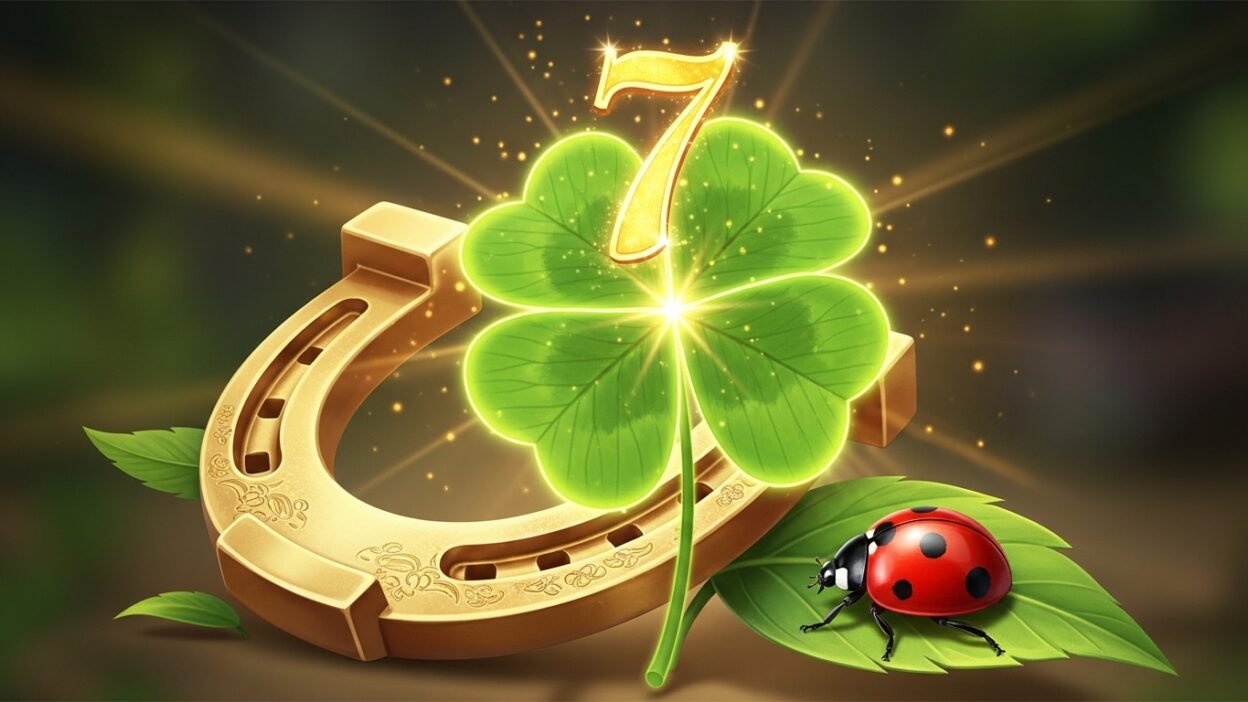
Luck symbolism explores how different cultures and belief systems represent fortune, destiny, prosperity and unexpected success. When people search for luck symbolism, they usually want to understand what symbols of good luck truly mean and how they influence life, energy and opportunity.
At its core, luck symbolism reflects hope — the belief that favorable outcomes, blessings and positive energy can shape our journey. Whether seen as fate, karma, divine favor or coincidence, luck symbolism connects deeply with prosperity, protection and success.
Luck Symbolism Meaning (Clear Definition)
Luck symbolism refers to symbols, signs, objects, animals or numbers believed to attract good fortune, success, protection and favorable outcomes.
In simple words:
Luck symbolism represents signs or objects associated with positive outcomes, prosperity and fortunate events.
It is closely related to:
- Good fortune
- Destiny
- Prosperity
- Opportunity
- Protection
- Serendipity
- Abundance
Luck symbolism often reflects cultural beliefs about energy, fate and universal balance.
What Does Luck Symbolism Represent?
Luck symbolism represents the possibility of positive change and unexpected opportunity. It embodies hope during uncertainty.
Common symbolic meanings include:
- Success and achievement
- Protection from harm
- Financial prosperity
- Favorable timing
- Divine blessing
- Positive energy flow
Common Symbols of Luck and Their Meanings
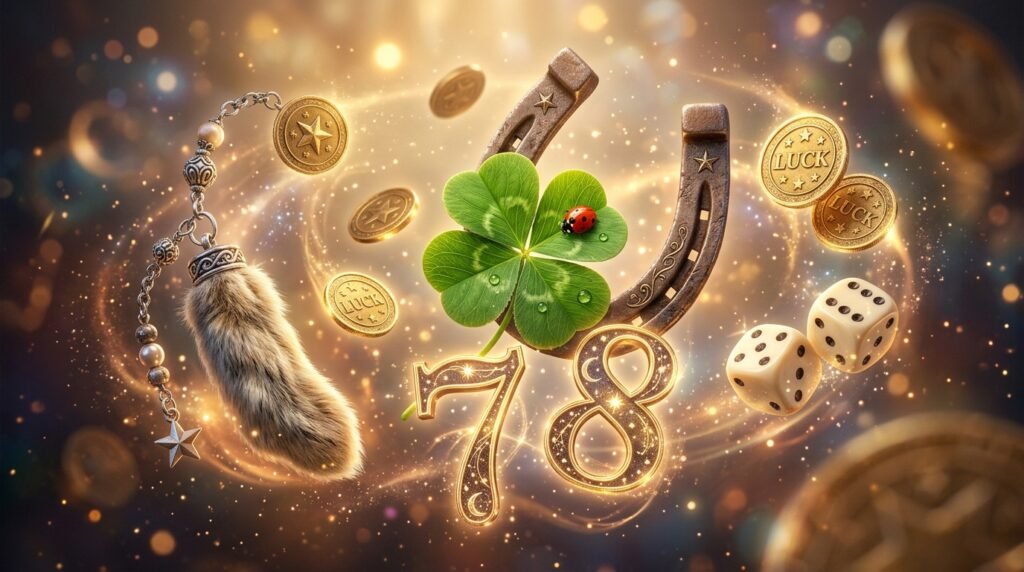
Luck symbolism is often represented through different objects, numbers and signs that people believe bring good fortune. These symbols are used across cultures to attract positivity, success and protection in life.
Some of the most common luck symbols include the four-leaf clover, which represents rare fortune and unexpected blessings. The horseshoe is believed to protect against bad energy and attract prosperity. A ladybug is seen as a sign of good news and positive changes, while the number 7 and 8 are often linked with spiritual and financial success. The rabbit’s foot is another traditional symbol associated with safety and luck.
Here is a quick overview:
| Symbol | Meaning |
| Four-leaf clover | Rare fortune and blessings |
| Horseshoe | Protection and prosperity |
| Ladybug | Good news and success |
| Number 7 | Spiritual luck and completion |
| Rabbit’s foot | Protection and good fortune |
Overall, luck symbolism represents the belief that life can shift toward abundance and opportunity.
Spiritual Meaning of Luck Symbolism
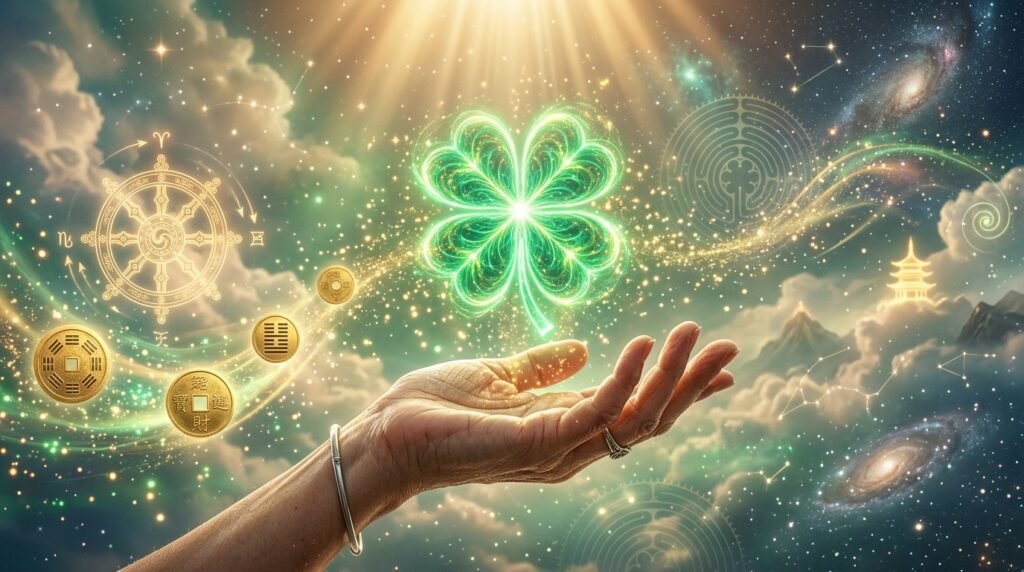
Spiritually, luck symbolism is often connected to energy alignment and karma.
Some traditions believe luck is not random but the result of positive actions, gratitude and intention. In this sense, luck symbolizes:
- Alignment with universal energy
- Attraction of abundance
- Manifestation power
- Karmic reward
- Divine timing
Many spiritual practices use lucky charms or symbols to enhance focus and belief in positive outcomes.
Luck, spiritually, may be less about chance and more about faith and mindset.
Positive and Negative Interpretations of Luck Symbolism
Luck symbolism carries both positive and negative meanings depending on how it is understood.
On the positive side, luck represents opportunities, success, blessings, and hope during uncertain times. Many people believe that luck helps open doors to better possibilities in life.
On the negative side, relying too much on luck can lead to unrealistic expectations, lack of effort, and dependency on chance instead of action. It can also create false hope when results do not match expectations.
Biblical / Religious Meaning of Luck Symbolism
In Christianity, the concept of luck is often replaced with divine providence. Instead of random fortune, blessings are viewed as part of God’s will.
In Islam, outcomes are believed to occur according to divine decree (Qadar), emphasizing trust in Allah rather than luck.
In some Eastern traditions, fortune is personified. For example, in Japanese culture, Maneki-neko symbolizes good fortune and prosperity.
Across religions, luck symbolism is often interpreted as:
- Divine favor
- Blessing
- Reward for righteousness
- Trust in higher power
Psychological Meaning of Luck Symbolism
From a psychological point of view, luck symbolism is deeply connected to human mindset and belief systems.
People who believe they are lucky often feel more confident and take more risks, which can lead to better opportunities. This creates a “self-fulfilling prophecy,” where belief influences behavior and results.
On the other hand, people who feel unlucky may avoid opportunities due to fear or low confidence. This shows that luck is not only external but also shaped by thoughts, emotions, and mindset.
Luck Symbolism in History and Culture
Throughout history, people have relied on symbols to attract fortune and avoid misfortune.
In Irish folklore, the four-leaf clover became a sign of rare luck. In ancient Rome, horseshoes were believed to ward off evil spirits.
And in Chinese culture, the number 8 symbolizes wealth and prosperity due to its pronunciation similarity to “wealth.”
Cultural luck often reflects community beliefs about fate, protection and prosperity.
Luck Symbolism in Literature and Art
In literature, luck often highlights the tension between fate and free will.
Stories frequently explore whether success comes from effort or fortune. Characters who experience sudden wealth or unexpected opportunities often symbolize destiny’s role in life.
In art, symbols such as dice, spinning wheels, and coins represent chance and fortune. The “Wheel of Fortune” is a recurring theme symbolizing the unpredictable nature of life.
Luck in creative works often reminds audiences of life’s unpredictability.
Dream Meaning of Luck Symbolism
Dreams involving luck usually reflect hope, desire or anxiety about future outcomes.
Common interpretations include:
- Finding a lucky charm → Confidence in success
- Winning money → Desire for abundance
- Losing something lucky → Fear of missed opportunity
- Seeing repeating numbers → Seeking guidance or reassurance
Dreams about luck may signal a need to trust yourself and remain optimistic.
Modern Meaning of Luck Symbolism
In modern society, luck is often linked to success, business growth and personal achievement.
Today, it represents:
- Opportunity meeting preparation
- Positive mindset
- Entrepreneurial risk-taking
- Financial breakthrough
- Personal confidence
Many people believe that while luck plays a role, consistent effort and mindset create “lucky” situations.
Modern interpretation blends belief in fortune with personal responsibility.
FAQs
What is the meaning of luck symbolism?
Luck symbolism represents good fortune, prosperity, protection and favorable outcomes in life.
Which animal symbolizes luck?
The ladybug and the rabbit are commonly associated with good luck in many cultures.
Is luck symbolism spiritual?
Yes. Spiritually, it often represents alignment with positive energy, divine blessing or karmic reward.
What does dreaming about luck mean?
Dreaming about luck typically reflects hope, desire for success or anticipation of positive change.
Is luck the same as destiny?
Not exactly. Luck often refers to chance events, while destiny suggests a predetermined life path.
Conclusion
Luck carries powerful meaning across cultures and belief systems. It represents hope, prosperity, protection and the possibility of positive change.
Whether seen as fate, divine blessing or the result of mindset and action, luck symbolism reminds us to remain open to opportunity and trust in life’s unfolding journey.
Sometimes, believing in fortune is the first step toward creating it.